
Wildlife Exclusion & Home Sealing in Raleigh, NC
Wildlife Exclusion & Home Sealing in Raleigh, NC
Wildlife keeps getting into your attic, crawlspace, roofline, or walls? The opening that let the animal inside may still be there.
Removing wildlife from a home addresses the immediate animal problem, but it does not automatically prevent another intrusion. Squirrels, raccoons, bats, birds, rodents, and other animals can take advantage of gaps around rooflines, soffits, vents, foundations, crawlspaces, chimneys, and exterior building transitions. Once an opening provides access to a protected space, it may continue to be used until the underlying structural vulnerability is addressed.
Sustainable Pest Systems provides professional wildlife exclusion in Raleigh, NC to help homeowners identify vulnerable areas and reduce opportunities for animals to re-enter the structure. Exclusion is based on the species involved, the location of active entry points, the condition of the home, and whether wildlife is still occupying the space.
Where Wildlife Gets Into Raleigh Homes
Wildlife entry points are not always obvious from the ground. A small separation along a roof edge, damaged vent screen, deteriorated soffit, loose piece of exterior trim, or opening where two building materials meet can create access to an attic or wall cavity. At ground level, damaged crawlspace vents, foundation gaps, utility penetrations, and poorly secured access doors can create similar problems beneath the home.
Different animals use these openings in different ways. Squirrels may enlarge weak areas around rooflines, raccoons can exploit larger structural gaps, bats can use narrow exterior openings, and rodents may enter through much smaller gaps closer to the foundation. An effective exclusion plan therefore begins with identifying both the animal and the areas of the structure it is actually using.
If wildlife is currently inside the home, our Raleigh wildlife removal services provide broader information about identifying and addressing active animal problems before permanent sealing is completed.
Common wildlife access points can include soffits, fascia, roof returns, attic vents, chimney transitions, flashing gaps, crawlspace vents, foundation openings, utility penetrations, damaged screens, loose exterior trim, and gaps around additions or porches.
Why Wildlife Entry Points Should Not Be Sealed Too Early
Finding an opening does not always mean it should immediately be closed. If an animal is still inside an attic, crawlspace, wall cavity, or other enclosed area, sealing the active route can trap wildlife within the structure. The presence of dependent young can make the situation even more complicated.
The correct sequence depends on the species and circumstances. In some cases, wildlife must first be removed or allowed to exit through an appropriate exclusion method before the opening is permanently secured. Other potential entry points can then be evaluated so animals do not simply shift to another vulnerable area.
Bat problems require particularly careful timing and exclusion planning. Homeowners dealing specifically with bats can learn more through our bat removal and exclusion services.
Attic and Roofline Wildlife Exclusion
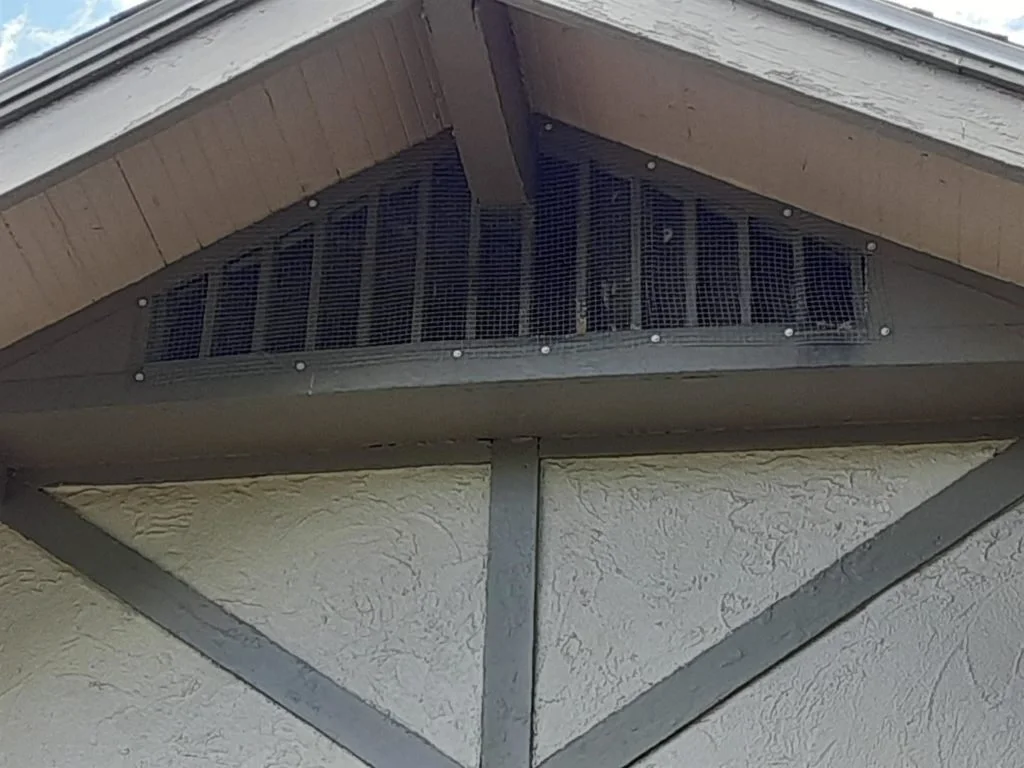
Roofline wildlife problems often develop around areas where roofing, siding, trim, vents, or architectural features intersect. Soffits, fascia boards, roof returns, dormers, gable vents, chimney connections, and flashing transitions can all become vulnerable when materials separate, deteriorate, or leave accessible gaps.
These openings are especially important when homeowners hear activity above ceilings or repeatedly see animals traveling along the roof. The visible animal may enter at one location and move through the attic before settling somewhere else, which means the area where noise is heard is not necessarily the actual exterior entry point.
For squirrel-related attic activity, Sustainable Pest Systems also provides squirrel removal in Raleigh, including evaluation of the structural areas associated with squirrel access.
Crawlspace and Foundation Wildlife Exclusion
Wildlife entering beneath a home typically presents a different set of vulnerabilities. Crawlspace vent screens can become damaged or displaced, access doors may no longer close securely, and gaps around pipes, utility lines, additions, porches, or foundation transitions can provide sheltered routes beneath the structure.
Ground-level exclusion should focus on the openings that are realistically accessible to wildlife rather than simply covering every visible crack. The size of the opening, surrounding evidence, animal involved, and construction of the property all help determine which areas are most relevant.
Homeowners may also notice droppings, disturbed insulation, damaged screens, odors, or repeated nighttime movement beneath floors. These clues can help distinguish an active wildlife entry problem from an exterior animal merely passing through the property.
Home Sealing Helps Break the Cycle of Repeat Wildlife Problems
Homes that experience repeated wildlife intrusions often have one or more structural areas that remain accessible after each individual animal problem is resolved. Without exclusion, homeowners can end up dealing with a cycle in which one animal is removed only for another to discover the same opening later.
Wildlife home sealing focuses on reducing those opportunities. After active animals are appropriately addressed, vulnerable vents, gaps, exterior transitions, and other accessible areas can be evaluated for exclusion or repair. The goal is not to make broad promises that wildlife can never approach the property again, but to make the structure itself more difficult to enter.
If raccoon activity is responsible for damage around the roofline, attic, or another structural opening, homeowners can also visit our Raleigh raccoon removal page for species-specific information.
Fill out some info and we will be in touch shortly!
Signs Your Home May Have a Wildlife Entry Point
Wildlife access is not always marked by a large visible hole. Small changes around vents, soffits, roof edges, crawlspaces, and exterior trim can create enough space for animals to enter protected areas of the structure.
Repeated Activity in One Area
Animals consistently appearing along the same roof edge, foundation wall, vent, chimney, or crawlspace area can indicate a regular travel route or structural access point.
Damaged Vents or Exterior Materials
Loose screens, bent vent covers, separated trim, deteriorated soffits, or gaps around exterior components may create openings that wildlife can investigate or enlarge.
Noise Behind Walls or Ceilings
Scratching, movement, chirping, or heavier activity inside an attic or wall can indicate that an exterior opening already connects to an interior cavity.
If you are unsure which animal may already be inside, visit our Raleigh wildlife removal page for information about identifying and addressing active wildlife problems.
Areas We Look At During a Wildlife Exclusion Evaluation
A useful exclusion inspection follows the construction of the home from the foundation to the roofline. The goal is to identify openings that realistically connect wildlife to sheltered areas rather than simply cataloging cosmetic imperfections.
- Soffits, fascia boards, roof returns, and eave intersections
- Gable vents, attic vents, louvers, and damaged exterior screens
- Chimney transitions, flashing edges, and roofline construction gaps
- Siding transitions and openings where exterior materials meet
- Crawlspace vents, foundation openings, and access doors
- Utility penetrations around pipes, wiring, conduit, and service lines
- Spaces beneath porches, additions, decks, and attached structures
- Existing repairs that have loosened, shifted, or become accessible again
Different Wildlife Requires Different Exclusion Planning
A gap that matters for one species may be irrelevant to another. Wildlife exclusion works best when the animal, entry location, interior space, and timing are considered together instead of applying the same sealing strategy to every property.
Squirrels & Raccoons
Larger wildlife may use weakened soffits, roof edges, vents, fascia, or other structural openings. Damage and travel evidence can help identify which roofline areas deserve attention.
Bats & Birds
Upper-level openings around vents, trim, flashing, and roof intersections may provide access. Exclusion methods and timing can also depend on species and whether dependent young are present.
Ground-Level Wildlife
Animals using crawlspaces or areas beneath structures may enter through vents, foundation openings, access doors, utility gaps, or unprotected spaces beneath porches and additions.
For squirrel-specific activity, see our Raleigh squirrel removal services. Bat-related structural access is covered in more detail on our bat removal and exclusion page.
Our Wildlife Exclusion Process in Raleigh
Exclusion should follow a logical sequence so an entry point is not permanently closed while wildlife is still using the structure. The specific process depends on what animal is present and where access is occurring.
Identify the Wildlife Activity
We review where animals have been seen or heard, when activity occurs, and what evidence is present inside or around the structure.
Locate Active and Potential Entry Points
Accessible exterior areas are evaluated for openings that correspond with the species, interior evidence, and construction of the home.
Address Active Wildlife First
If an animal is still inside, the appropriate removal or exclusion sequence should be completed before its active route is permanently closed.
Secure Relevant Openings
After wildlife has been appropriately addressed, vulnerable access points can be prioritized for sealing, protection, or other exclusion work based on the structure.
Exclusion is closely connected to removal. Sustainable Pest Systems' broader wildlife removal program provides additional information about wildlife services throughout the area.
Roofline and Crawlspace Exclusion Solve Different Problems
Wildlife can enter from multiple elevations, so a property should not be treated as though every access problem begins in the attic. Roofline vulnerabilities and foundation-level openings involve different materials, species, and structural conditions.
- Inspect roof returns where fascia and soffits meet
- Review vents and screens for damage or displacement
- Check flashing, dormers, chimney transitions, and roof intersections
- Look for separation between trim, siding, and roofing components
- Inspect crawlspace vents and foundation access doors
- Evaluate gaps around utility lines and exterior penetrations
- Review openings beneath porches, decks, and additions
- Compare structural openings with actual wildlife evidence
The most useful exclusion plan prioritizes openings supported by the animal activity and condition of the home rather than treating every visible crack as an active wildlife entrance.
Why the Same Home Can Develop Wildlife Problems Again
Recurring wildlife activity does not always mean the same animal returned. A structure can remain attractive to multiple animals if an accessible opening continues to connect the exterior with a protected attic, crawlspace, or wall cavity.
The Original Gap Was Never Closed
An animal may be removed successfully while the structural route that provided access remains available for later use.
Another Weak Point Developed
Exterior materials can shift, deteriorate, or become damaged over time, creating a new opening elsewhere along the roofline or foundation.
Wildlife Found a Secondary Route
Closing one opening without evaluating nearby vulnerabilities may allow animals to begin using another accessible gap in the same structural area.
If raccoons are responsible for a roofline or attic problem, visit our Raleigh raccoon removal page for species-specific information.
Common Questions About Wildlife Exclusion in Raleigh
These answers cover common questions about sealing wildlife openings, preventing animals from returning, and coordinating exclusion with active wildlife removal.
What is wildlife exclusion?
Wildlife exclusion focuses on identifying and securing structural openings that animals can use to enter attics, crawlspaces, wall cavities, and other protected areas of a home.
Is wildlife exclusion different from wildlife removal?
Yes. Removal addresses an animal that is already present, while exclusion focuses on the structural access that allowed wildlife to enter. Many situations require both parts to be handled in the correct order.
Can I seal a wildlife opening as soon as I find it?
Not always. If an animal or dependent young are still inside, immediately closing the active opening can trap wildlife within the structure. The occupancy of the space should be evaluated first.
What areas of a home are commonly checked for wildlife entry?
Common areas include soffits, fascia, roof returns, vents, chimneys, flashing transitions, crawlspace vents, foundation openings, utility penetrations, exterior access doors, and gaps beneath additions or porches.
Can wildlife use very small openings?
Yes. The amount of space required varies by species. Some animals need relatively large structural openings, while bats and rodents can use considerably narrower gaps. This is why species identification matters when evaluating potential entry points.
Does wildlife exclusion guarantee animals will never come near my home again?
No exclusion work can prevent wildlife from existing or moving through the surrounding property. The purpose is to reduce accessible routes into the structure and make previously vulnerable areas more difficult for animals to enter.
Why do wildlife problems sometimes return after an animal was removed?
If the original opening remains accessible, another animal may use the same route later. New gaps can also develop as exterior materials age, shift, or become damaged.
Phone
(919) 886-7378
Hours
Monday–Friday
8am-5pm
Locations
3021 Stony Brook Dr. Raleigh NC 27604