
Wake Forest NC Squirrel Removal
Wake Forest NC Squirrel Removal
Scratching near the eaves, chewing at the roof edge, or sudden attic noise in Wake Forest?
Wake Forest homes can be especially attractive to squirrels because many properties sit near tall hardwoods, pine stands, wooded buffers, and quiet neighborhood streets where roof access is easy. A squirrel may move from a branch to a gutter, then work its way toward a vent, soffit seam, dormer edge, or garage attic opening.
The problem is not only the animal inside the attic. Squirrels chew to keep openings usable, which means a small gap can become a repeated entry point. Sustainable Pest Systems helps homeowners address this kind of activity through practical wildlife removal services that look at the entry path, attic conditions, and the exterior weakness that allowed the issue to start.
Squirrel Removal for Wake Forest Rooflines, Attics, and Garage Spaces
A Wake Forest squirrel inspection should focus on the parts of the home squirrels actually use: high corners, roof returns, side gables, garage attic transitions, vent screens, and shaded eaves. These areas often stay out of sight from the ground but can become easy targets when branches or fences create a direct route upward.
Sustainable Pest Systems looks for chewed edges, loose screening, disturbed insulation, nesting debris, droppings, rub marks, and repeat travel patterns along the same side of the home. Those details help separate a true squirrel issue from general attic noise or smaller rodent activity.
Homeowners who are unsure what they are hearing can compare symptoms with this guide on scratching or squeaking in the attic, especially when the sound is happening above bedrooms, bonus rooms, or attached garages.
Wake Forest squirrel problems often involve tree-to-roof access, garage attic voids, chewed vent screens, soffit seams, side gables, dormer corners, and short bursts of daytime attic movement.
Local Help Before Squirrels Cause More Damage
Squirrels should not be ignored once they are inside the structure. Nesting material, droppings, insulation damage, chewing, and odor can build up quickly, especially when an entry point is used over and over.
Sustainable Pest Systems helps Wake Forest homeowners understand what is happening and what should be corrected to reduce future activity. Our team can also help identify whether the issue is squirrel-related or connected to broader wildlife pressure around the home.
Fill out some info and we will be in touch shortly!
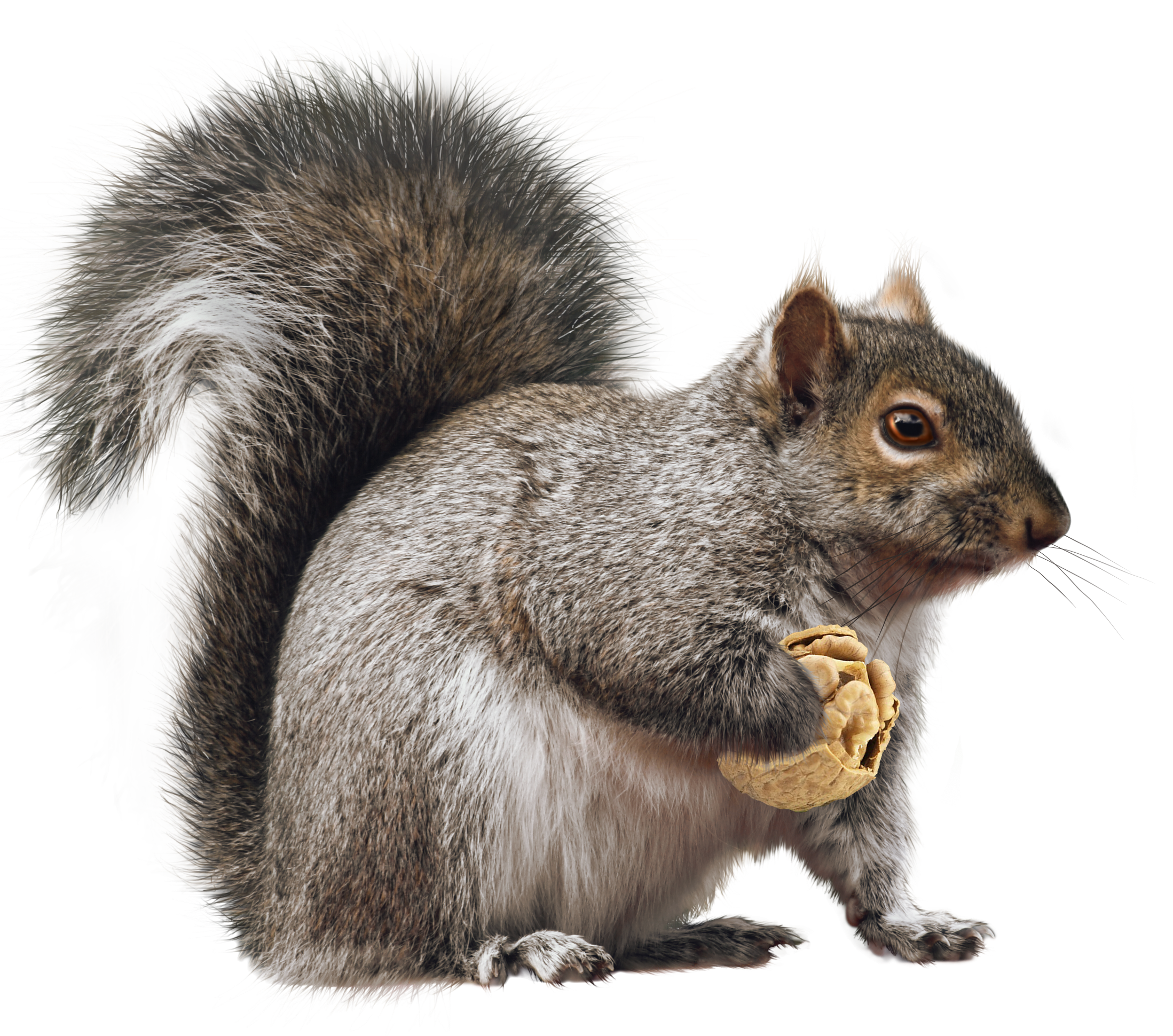
When Attic Sounds Point to Squirrels in Wake Forest
Squirrels in Wake Forest homes often make themselves known through short bursts of movement near eaves, garage ceilings, bonus rooms, and upper attic spaces. The sound may come and go during the day, especially when squirrels are leaving to feed and returning to a familiar roofline opening.
Roof-Edge Chewing
Chewing near gutters, trim, soffit seams, or vent screens can mean squirrels are working on a small weakness and turning it into an entry point.
Garage Attic Noise
Attached garages and bonus-room attics are common places for homeowners to hear movement because squirrels often enter at roof transitions.
Insulation Trails
Flattened insulation, small nesting piles, loose debris, and droppings near exterior walls can suggest squirrels have been moving through the attic.
Trying to compare the noise with other animals? Review this guide on scratching or squeaking in your attic before the problem gets worse.
Why Wake Forest Homes Can Be Easy Targets for Squirrels
Many Wake Forest properties have tall trees, wooded back edges, side-yard fences, and rooflines that give squirrels a clear route upward. Once they reach the home, they look for loose edges, weathered trim, and protected attic openings.
- Branches close enough for squirrels to jump onto gutters or roof edges
- Garage roof transitions where small gaps stay hidden from the ground
- Gable vents, attic louvers, and screens that are loose or chewed
- Fascia seams, soffit returns, and corner trim with weather wear
- Dormer edges, roof valleys, and upper-story architectural details
- Fence lines, sheds, and deck rails that create a travel path to the home
- Attic areas above bonus rooms, bedrooms, and attached garages
- Repeated activity on the same side of the house or same roof corner
Small Squirrel Openings Can Turn Into Bigger Home Repairs
A squirrel entry point is rarely just a hole. It can become a repeat access route, a nesting area, and a source of attic damage if the animal issue and the exterior weakness are not handled together.
Damaged Eaves
Persistent chewing can make soffit seams, fascia edges, and vent openings worse, especially when squirrels keep returning to the same corner.
Hidden Attic Mess
Nesting debris, droppings, odor, and disturbed insulation may collect in areas that are hard to inspect without entering the attic safely.
More Than One Entry Point
Wake Forest homes with multiple roof angles or wooded access may have more than one vulnerable spot, which is why a full exterior review matters.
Sustainable Pest Systems handles squirrel concerns as part of broader wildlife removal services for homes with attic or exterior animal activity.
Our Wake Forest Squirrel Inspection & Prevention Process
Sustainable Pest Systems helps Wake Forest homeowners figure out where squirrels are entering, what damage may already be present, and which exterior conditions should be corrected to reduce repeat activity.
Trace the Noise and Travel Route
We look at where the sound is heard, when it happens, and how squirrels may be moving from trees, fences, or gutters to the roofline.
Inspect Roofline Weak Points
We check vents, eaves, fascia, soffit seams, garage transitions, dormers, and other areas where chewing or loose materials may be visible.
Check for Interior Clues
When accessible, we look for disturbed insulation, droppings, nesting material, attic trails, odor, and damage near likely entry areas.
Prioritize Prevention Steps
We explain which repairs, exclusions, or access reductions should be handled first so squirrels are less likely to reuse the same area.
Need help identifying what is inside the attic? Sustainable Pest Systems can help evaluate squirrel activity and other wildlife-related pest concerns.
Practical Ways to Lower Squirrel Pressure Around the Home
The goal is to make the home harder to reach and harder to enter. Wake Forest homeowners can reduce risk by watching tree access, roof-edge wear, and hidden openings before squirrels settle inside.
- Cut back limbs that give squirrels a direct landing area on the roof.
- Watch garage attic corners and upper roof returns for chewing.
- Replace loose vent screens before squirrels widen the opening.
- Check soffit seams after storms, wind, or exterior repair work.
- Avoid closing a hole until squirrel activity has been evaluated.
- Look for repeated movement along the same fence, gutter, or roof edge.
For more prevention context, read our guide on preventing wildlife intrusions in local homes.
Other Attic and Exterior Wildlife Issues Near Wake Forest
Squirrels are a common cause of quick daytime attic sounds, but they are not the only possibility. The right solution starts with identifying the animal, the access point, and the conditions around the home.
Squirrel Nesting
When nesting material is present, timing matters. Learn more from our guide on squirrels nesting in your attic.
Rodent Activity
Smaller noises, wall scratching, and droppings may point to mice or rats instead of squirrels. Identification helps avoid the wrong repair plan.
General Wildlife Pressure
Homes near wooded edges may see more than one wildlife issue over time, especially when exterior gaps and attractants are not corrected.
Squirrel Removal FAQs for Wake Forest, NC
These answers cover common questions Wake Forest homeowners ask when they hear movement, find chewing damage, or suspect squirrels are using the attic.
Why do I hear squirrel noises mostly during the day?
Squirrels are daytime animals, so movement in the morning or afternoon can be a clue. Quick running, chewing, or short bursts of attic noise may point to squirrel activity.
Where do squirrels usually enter Wake Forest homes?
Common entry spots include soffit seams, fascia gaps, gable vents, garage attic transitions, dormer edges, roof returns, and vent screens near tree access.
Can I just patch the hole myself?
It is better to inspect activity first. Patching too soon can trap animals inside or cause them to chew into another area of the home.
What damage can squirrels cause in an attic?
Squirrels may disturb insulation, leave droppings, bring in nesting material, chew wood or screens, create odors, and reuse the same entry point repeatedly.
How can I reduce the chance of squirrels coming back?
Reduce roof access, trim branches, protect vents, repair chewed materials, address soffit gaps, and make sure entry points are handled after the animal issue is evaluated.
Phone
(919) 886-7378
Hours
Monday–Friday
8am-5pm
Locations
3021 Stony Brook Dr. Raleigh NC 27604