
Opossum Removal in Raleigh, NC
Opossum Removal in Raleigh, NC
Hearing movement beneath the floor, finding damage around a crawlspace vent, or seeing an opossum repeatedly sheltering under your home?
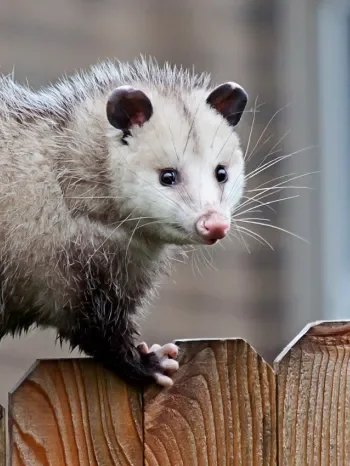
Opossums often become a nuisance when they move from the surrounding landscape into protected areas beneath or around a house. Crawlspaces, decks, porches, sheds, garages, and other low-traffic spaces can offer shelter from weather and disturbance. A homeowner may first notice nighttime movement, damaged vent screens, disturbed insulation, droppings, odor, or an animal entering and leaving the same opening after dark.
Sustainable Pest Systems provides professional opossum removal in Raleigh, NC for homeowners dealing with unwanted activity around residential structures. The goal is to determine where the animal is sheltering, how it is gaining access, and what should be addressed after removal to reduce the chance of the same space being used again.
Why Opossums Get Under Raleigh Homes
Opossums are opportunistic animals that make use of existing shelter rather than constructing elaborate dens of their own. An open or damaged crawlspace vent, gap beneath a porch, loose access door, opening around the foundation, or unprotected space beneath a deck can provide a convenient place to rest during daylight hours.
Food availability can also influence activity around a property. Pet food left outdoors, unsecured trash, fallen fruit, compost, insects, small animals, and other accessible food sources may encourage an opossum to spend more time near the home. The presence of an animal beneath the house does not necessarily mean it entered because of one specific attractant, which is why the surrounding conditions should be evaluated together.
If you are hearing unexplained activity beneath the home but are not certain which animal is responsible, our guide to signs of wildlife in attics and crawlspaces can help explain some of the evidence homeowners commonly notice.
Signs of possible opossum activity can include nighttime movement beneath floors, repeated entry through a crawlspace opening, damaged vent screens, droppings, odor, disturbed materials, or an animal repeatedly disappearing beneath a deck, porch, shed, or home.
Removing the Opossum Is Only Part of the Solution
Addressing the visible animal does not automatically correct the opening that allowed it into the structure. If a crawlspace vent is damaged, an access door no longer closes properly, or a gap exists beneath the foundation or porch, another animal may be able to use the same location later.
After the immediate wildlife issue is identified, the property can be evaluated for accessible entry points and conditions associated with the activity. This may include crawlspace vents, foundation openings, gaps beneath additions, spaces below decks and porches, damaged exterior materials, or sheltered areas around outbuildings.
Opossum activity can also overlap with broader wildlife problems. If the evidence does not clearly point to one species, Sustainable Pest Systems provides wildlife removal services in Raleigh for homes dealing with animals in crawlspaces, attics, exterior structures, and other areas of the property.
Opossums in Crawlspaces, Under Decks, and Around Sheds
Crawlspaces are one of the most important areas to evaluate because they provide protection while also connecting directly to the underside of the home. A missing vent cover, damaged screen, poorly secured access door, or structural opening may allow an opossum to move in and out without being noticed during the day.
Decks, porches, and sheds create different challenges. Low-clearance spaces beneath these structures may provide secluded resting areas even when the animal has not actually entered the home. Determining exactly where the opossum is spending time helps separate a structural entry problem from an animal simply using exterior shelter.
That distinction matters when planning prevention. A crawlspace opening may require repair or exclusion work, while activity beneath an open deck may call for a different approach based on the construction of the space and how the animal is accessing it.
Fill out some info and we will be in touch shortly!
Signs an Opossum May Be Sheltering on Your Property
Opossums are primarily active after dark, so homeowners may hear or see evidence without immediately locating the animal. Repeated nighttime movement beneath a floor, damaged crawlspace vents, droppings, odor, or an animal regularly disappearing beneath a structure can all justify a closer inspection.
Movement Beneath the Floor
Slow movement, rustling, or occasional heavier sounds beneath the home at night may indicate an animal using the crawlspace or another sheltered area below the structure.
Damaged Crawlspace Vents
A loose screen, broken vent cover, displaced access panel, or existing foundation opening can provide a route into protected space beneath the house.
Repeated Nighttime Sightings
Seeing an opossum return to the same deck, porch, shed, crawlspace opening, or foundation area can suggest that the location is being used for shelter or access.
Not sure which animal is beneath your home? Review our guide to signs of wildlife in attics and crawlspaces for additional clues homeowners may notice.
Where Opossums May Shelter Around Raleigh Homes
Opossums often take advantage of existing protected spaces rather than creating complex shelters themselves. Quiet areas with cover from weather and limited daytime disturbance can become temporary or recurring resting locations.
- Crawlspaces with damaged vents, screens, doors, or foundation openings
- Low-clearance areas beneath decks, porches, stairs, and additions
- Open spaces beneath sheds, storage buildings, and detached structures
- Garages or utility areas with accessible exterior openings
- Dense vegetation or brush near the foundation of the home
- Wood piles, stored materials, and other protected outdoor clutter
- Areas near pet food, garbage, compost, or other accessible food
- Quiet spaces close to moisture, insects, rodents, or other food sources
Why Removing One Opossum May Not Correct the Property Problem
The animal itself may be the immediate concern, but the space it is using can remain accessible afterward. If a damaged vent, foundation opening, deck cavity, food source, or other favorable condition remains, wildlife may continue using the same area.
The Opening May Still Be Accessible
Removing the animal does not repair a broken crawlspace screen, loose access door, foundation gap, or unprotected opening beneath a porch or addition.
The Shelter May Still Be Attractive
Protected spaces beneath decks, sheds, and porches can continue offering cover even if the original animal is no longer present.
Food Sources May Remain
Outdoor pet food, accessible garbage, fallen fruit, compost, insects, and other food sources can contribute to repeated wildlife activity around residential properties.
Sustainable Pest Systems also provides wildlife removal in Raleigh for homeowners dealing with animals in crawlspaces, attics, garages, and other areas around the home.
Our Approach to Opossum Removal in Raleigh, NC
Effective wildlife service begins by understanding where the animal is spending time and how the structure is being used. The immediate removal concern and the conditions surrounding the activity should be evaluated separately so the recommendation fits the property.
Review the Activity
We begin with where the opossum has been seen or heard, when activity occurs, and whether the problem involves a crawlspace, deck, porch, shed, garage, or another part of the property.
Inspect Likely Shelter and Access Areas
Accessible areas can be evaluated for damaged vents, foundation openings, gaps beneath structures, droppings, disturbed materials, and other evidence connected to wildlife use.
Address the Opossum Activity
The appropriate removal approach depends on the animal's location, the construction of the space, and what is found during inspection rather than assuming every property requires the same method.
Evaluate Exclusion and Prevention Needs
Once the immediate animal problem has been addressed, accessible entry points and surrounding conditions can be reviewed to determine what may help reduce future use of the area.
Different wildlife can leave similar evidence beneath a home. Our wildlife removal program provides a broader overview of professional wildlife inspection and removal.
Reducing the Chance of Opossums Returning
Prevention should focus on the actual access points and attractants found at the property. Removing an animal without addressing an open crawlspace or other protected shelter can leave the same conditions available for future wildlife.
- Repair damaged or missing crawlspace vent screens
- Secure crawlspace access doors that no longer close correctly
- Evaluate obvious gaps around foundations and utility penetrations
- Address accessible openings beneath porches, additions, and decks
- Secure garbage and avoid leaving pet food outdoors overnight
- Remove unnecessary debris and protected hiding areas near the home
- Monitor areas where animals have repeatedly entered or sheltered
- Consider other pest or wildlife activity that may be using the same space
Exclusion recommendations should match the structure itself. A damaged crawlspace vent, open deck cavity, and gap beneath a shed are different problems and may require different corrective measures.
What Can Attract Opossums to Residential Properties?
Seeing an opossum outdoors does not necessarily indicate a structural wildlife problem. Activity becomes more important when the property consistently provides food, shelter, or access to protected spaces close to the home.
Accessible Food
Pet food, unsecured garbage, compost, fallen fruit, and other easily reached food sources can encourage nighttime wildlife activity around the property.
Protected Shelter
Crawlspaces, sheds, decks, porches, brush, and stored materials can provide quiet areas where an opossum can remain concealed during daylight hours.
Easy Structural Access
Missing screens, damaged vents, gaps beneath structures, and poorly secured doors can turn an outdoor wildlife sighting into an animal-under-the-house problem.
Common Questions About Opossum Removal in Raleigh
These answers cover common concerns from homeowners who have found an opossum beneath a house, deck, porch, shed, or elsewhere around a residential property.
Why is an opossum living under my house?
A crawlspace can provide a dark, protected resting area with limited daytime disturbance. Damaged vent screens, loose access doors, foundation gaps, or other openings may allow an animal to enter and leave the space.
Does seeing one opossum mean more are living nearby?
Not necessarily. An opossum may simply be moving through the neighborhood while feeding. Repeated entry into the same crawlspace, deck, shed, or other sheltered area is a stronger indication that the property itself is being used regularly.
Why do I hear an animal under my floor at night?
Opossums are one possible source of nighttime activity beneath a home, but raccoons, rodents, and other wildlife can create similar noises. Inspection and physical evidence are more useful than sound alone when identifying the animal.
Can an opossum get into a crawlspace through a vent?
A damaged, missing, or poorly secured vent cover can provide access to a crawlspace. Other possible routes include loose crawlspace doors, foundation openings, and gaps around additions or utility penetrations.
Why does an opossum keep coming back to my yard?
Recurring activity may be associated with available food, water, shelter, or a protected resting location. Outdoor pet food, garbage, compost, fallen fruit, decks, sheds, and dense vegetation are examples of conditions worth evaluating.
What should happen after an opossum is removed?
The area can be evaluated for the opening the animal used, remaining wildlife evidence, and conditions that could make the space accessible again. Appropriate prevention depends on whether the problem involves a crawlspace, deck, shed, porch, or another structural area.
Phone
(919) 886-7378
Hours
Monday–Friday
8am-5pm
Locations
3021 Stony Brook Dr. Raleigh NC 27604