
Durham, NC Raccoon Removal
Raccoon Removal in Durham, NC
Noticing raccoon activity near your attic, crawlspace, roofline, or trash area?
Raccoons are resourceful animals that can quickly turn a small exterior weakness into a larger problem for Durham homeowners. Around wooded lots, older rooflines, crawlspace foundations, garages, decks, and quiet storage areas, raccoons may find shelter, food, or a protected place to nest.
A raccoon issue is often discovered after the animal has already started using part of the home or property. You may hear movement after dark, notice torn materials near the roofline, find droppings, smell odors, or see trash and outdoor food sources being disturbed. Since raccoons can carry parasites and may react defensively when cornered, it is safest to work with pest control specialists who understand wildlife removal in Durham and know how to evaluate the conditions that are allowing the activity.
Durham Raccoon Removal Support Focused on the Whole Property
Sustainable Pest Systems helps Durham homeowners take a closer look at raccoon activity instead of treating it like a simple nuisance. Our team checks for signs of entry, damage, nesting behavior, sanitation concerns, and nearby attractants that may be keeping raccoons around the home.
During the inspection, common focus areas may include attic vents, soffit edges, roof returns, chimney openings, crawlspace doors, deck voids, sheds, garages, damaged trim, and areas where trash, pet food, bird seed, or outdoor storage may be drawing raccoons closer to the structure.
After we review the situation, we help explain what appears to be happening and which next steps make sense. That may include locating access points, recommending exclusion repairs, identifying attractants, and helping you understand which areas should be protected to reduce repeat activity. For homeowners hearing movement overhead, this guide on common attic wildlife issues can also help clarify what those sounds may indicate.
Durham raccoon problems are often tied to unsealed attic vents, loose soffits, crawlspace gaps, chimney access, wooded property edges, deck spaces, trash storage, pet food, and outdoor areas where shelter or food is easy to find.
Local Raccoon Help for Durham Homeowners
Raccoons can create more damage the longer they remain near or inside a home. What starts as occasional nighttime noise can become torn insulation, stained materials, unpleasant odors, droppings, and repeated attempts to re-enter the same weak point.
Sustainable Pest Systems helps Durham homeowners address raccoon concerns along with other wildlife-related pest issues around the property. Our team can also assist with related problems such as bat control in Durham, squirrel removal in Durham, and broader wildlife removal services.
Fill out some info and we will be in touch shortly!
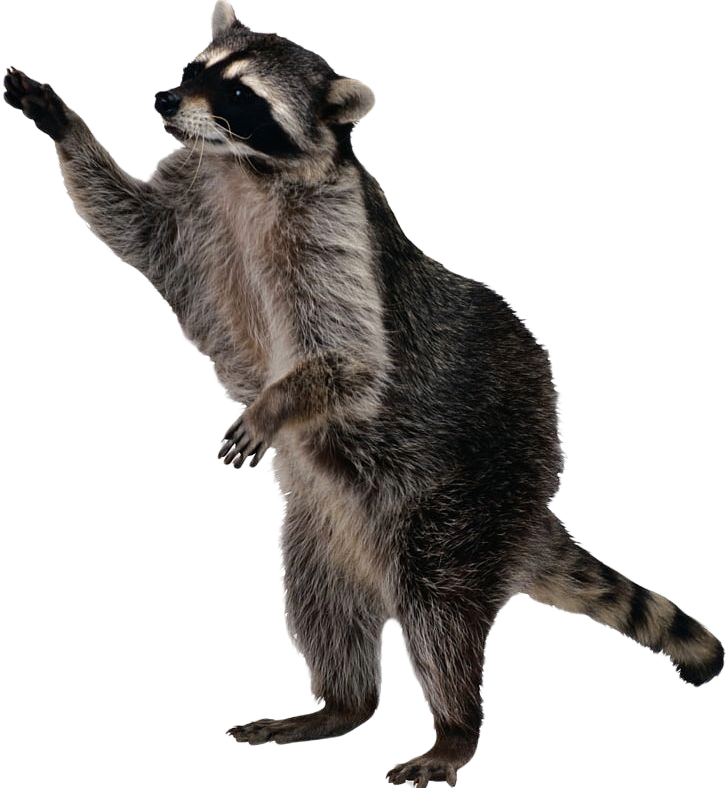
Warning Signs of Raccoons Around Your Durham Home
Raccoons are often noticed after the house gets quiet. In Durham, homeowners may hear movement in the attic, find damage near exterior openings, or notice repeated activity around crawlspaces, trash areas, decks, garages, and wooded edges of the property.
Late-Night Movement
Instead of light scratching, raccoons often create heavier sounds such as bumping, shifting, stepping, or dragging noises above ceilings and near rooflines.
Opened-Up Gaps
Raccoons may work at already weak areas, leaving lifted vents, damaged soffits, loose boards, bent trim, or enlarged crawlspace and attic openings.
Evidence Left Behind
Droppings, nesting debris, oily rub marks, disturbed insulation, and odor can point to a raccoon problem that has moved beyond casual outdoor activity.
Hearing sounds overhead but unsure what animal is involved? This guide on scratching or squeaking in your attic can help you compare common attic wildlife clues.
How Raccoons Reach Durham Homes
Durham homes can have a mix of mature trees, crawlspaces, additions, garages, older exterior trim, and roofline transitions that give raccoons ways to climb, hide, and test weak spots around the structure.
- Loose roofline edges, soffits, and fascia gaps
- Unscreened attic vents or damaged gable vents
- Open chimney areas or missing chimney protection
- Crawlspace doors, foundation vents, and low exterior gaps
- Deck voids, sheds, garages, and covered storage areas
- Trim damage, siding separations, and weakened boards
- Tree limbs, fences, and roof access routes
- Trash, pet food, bird seed, and outdoor food sources
Why Durham Raccoon Problems Need More Than a Quick Fix
Raccoons can create problems both inside and outside the home. When they gain access to a protected space, damage and contamination can build before the homeowner sees the full extent of the issue.
Material Damage
Raccoons may tear at exterior openings, flatten or move insulation, damage vents, pull at trim, and make small weaknesses larger over time.
Odor & Waste
Droppings, urine, nesting material, and debris can create unpleasant smells and sanitation concerns in attic, crawlspace, chimney, or garage areas.
Repeat Entry
When the reason for the activity is not addressed, raccoons may keep returning to the same area or encourage other wildlife-related pest problems.
For a broader look at related service options, visit our page for wildlife removal in Durham.
Our Durham Raccoon Inspection & Prevention Approach
Sustainable Pest Systems helps Durham homeowners look at the full raccoon issue, including access points, damage, activity patterns, and conditions around the property that may be attracting wildlife.
Review the Exterior Conditions
We look over rooflines, vents, crawlspace openings, chimney areas, garages, decks, sheds, and other exterior spots where raccoons may be active.
Trace Signs of Raccoon Use
We check for torn materials, droppings, rub marks, nesting debris, odor, insulation disturbance, and other clues that help show how raccoons are using the property.
Identify What Should Be Corrected
After the inspection, we explain the likely entry areas, contributing conditions, and practical next steps for addressing the raccoon concern.
Help Reduce Future Activity
We help homeowners understand attractants, exterior weaknesses, and prevention priorities that can make the property less inviting to raccoons.
Our team also supports homeowners with broader wildlife removal services for wildlife-related pest concerns.
Ways to Make Your Durham Property Less Inviting to Raccoons
Raccoons are persistent when a property offers shelter, food, or easy access. Small exterior gaps and outdoor attractants can keep them coming back unless the conditions are corrected.
- Store trash in sealed cans and avoid overflow.
- Bring pet food, bowls, and food scraps indoors at night.
- Clean up spilled bird seed and secure feeder areas.
- Cut back branches that create roof access.
- Repair damaged soffits, vents, trim, and crawlspace doors.
- Inspect decks, sheds, garages, and storage areas for openings.
For additional prevention advice, read our guide on preventing wildlife intrusions in local homes.
Other Wildlife-Related Pest Concerns in Durham
Raccoons are one possible source of attic, crawlspace, and exterior activity. Durham homeowners may also deal with bats, squirrels, rodents, or other pests depending on the structure, season, and surrounding property conditions.
Bat Activity
Bats may use small upper openings, vents, or attic access points. Learn more about bat control in Durham.
Squirrel Problems
Squirrels may chew, nest, and enter through roofline gaps or damaged exterior areas. Learn more about squirrel removal in Durham.
Rodent Activity
Mice and rats can use small gaps around foundations, crawlspaces, garages, and utility openings to move into hidden areas of the home.
Raccoon Removal FAQs for Durham, NC
These answers cover common raccoon concerns for Durham homeowners dealing with noises, entry points, property damage, or recurring activity.
What does raccoon activity sound like inside a home?
Raccoons often sound heavier than smaller pests. You may hear stepping, thumping, dragging, bumping, or movement that seems to shift across the attic or ceiling after dark.
Why would raccoons keep coming back to my property?
Raccoons may return when they find food, shelter, roof access, open crawlspaces, damaged vents, chimney openings, trash, pet food, or other easy resources.
Can raccoons make an existing opening worse?
Yes. Raccoons are strong enough to pull at weak materials, widen gaps, damage vents, disturb soffits, and make small vulnerabilities larger over time.
Is it safe to approach a raccoon near my house?
No. Raccoons can become defensive, especially when trapped or when young are nearby. Avoid direct contact and contact trained pest control specialists for help.
What helps prevent future raccoon problems?
Reducing food sources, securing trash, trimming roof-access branches, repairing exterior damage, and protecting vents, crawlspaces, and roofline gaps can all help reduce repeat activity.
Phone
(919) 886-7378
Hours
Monday–Friday
8am-5pm
Locations
3021 Stony Brook Dr. Raleigh NC 27604