
Clayton NC Squirrel Removal
Clayton NC Squirrel Removal
Hearing quick ceiling runs, chewing near a soffit, or movement above an upstairs room in Clayton?
Clayton squirrel problems often show up in homes where tree lines, fenced yards, porch roofs, gutters, and upper roof sections give squirrels several ways to approach the structure. In growing neighborhoods, wooded edges and newer roof details can sit close together, which makes it easier for squirrels to move from the yard to a vulnerable eave, vent, or attic corner.
Squirrels do not always create a dramatic noise right away. Some homeowners first notice light tapping, brief running, or chewing that seems to stop and return later. That can happen when squirrels are using the attic as a shelter route, not just passing across the roof. Sustainable Pest Systems provides wildlife removal services that look at the attic activity, the outside access route, and the weak exterior materials that need attention.
Squirrel Removal for Clayton Roof Edges, Vents, and Attic Corners
A Clayton squirrel inspection should start with how the squirrel is reaching the home. Branches, fences, decks, porch covers, storage buildings, and gutter lines can all help squirrels reach areas that are difficult to see from the ground.
Sustainable Pest Systems checks for chewed trim, loose soffit panels, damaged vent screens, droppings, nesting material, insulation disturbance, and repeat movement around the same roof section. These details help confirm whether the problem is squirrels or another attic pest with a different behavior pattern.
Homeowners who are unsure what is moving overhead can compare common warning signs with this guide on scratching or squeaking in the attic, especially when the sound is fast, brief, and more noticeable during daylight hours.
Clayton squirrel activity is often connected to tree-lined yards, porch roof access, gutter travel, loose soffits, chewed vent screens, attic corners, nesting debris, and short bursts of daytime movement over upper rooms or garages.
Local Help Before Attic Damage Gets Worse
Squirrel activity should be addressed before the opening becomes larger or the attic mess spreads. Chewing, nesting material, droppings, odor, and insulation damage can become harder to deal with when squirrels keep using the same entry area.
Sustainable Pest Systems helps Clayton homeowners understand what is happening, where the access point may be, and what prevention steps can reduce the chance of repeat activity. The goal is not just to respond to the noise, but to correct the conditions that made the attic reachable in the first place.
Fill out some info and we will be in touch shortly!
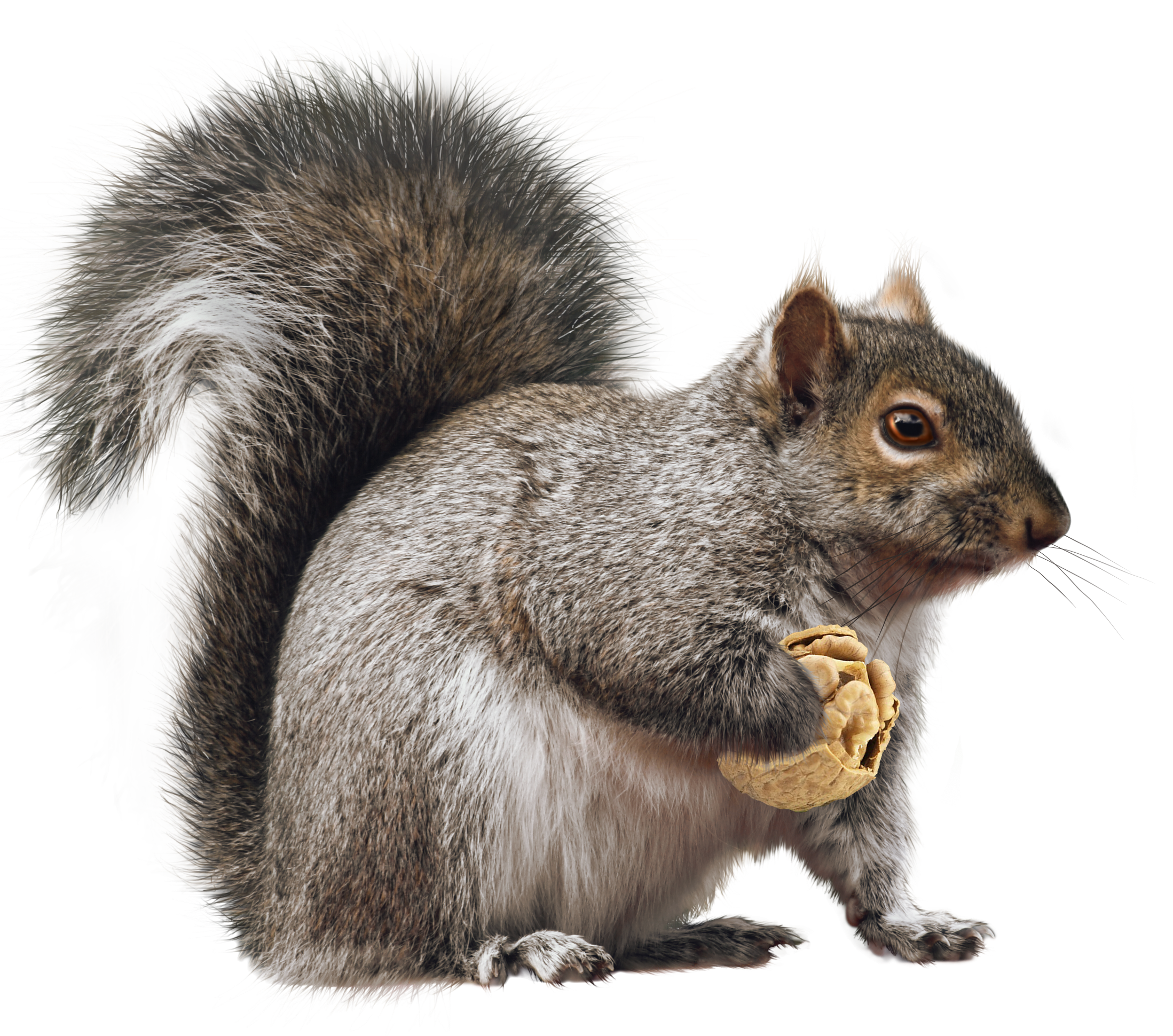
When Squirrels Start Using Your Clayton Home as Shelter
Squirrel problems in Clayton often begin with a route, not a random hole. Homeowners may see squirrels running along fences, crossing gutters, climbing porch posts, or moving from nearby trees onto roof edges before attic noises become obvious.
Gutter-Line Travel
Squirrels may use gutters like a pathway, especially when branches, fences, or porch roofs help them reach the upper edge of the home.
Soffit Corner Damage
Chewed corners, loose panels, and small openings around eaves can indicate squirrels are testing the home for attic access.
Noise Over Garages
Attached garages, bonus rooms, and upper front bedrooms are common places to hear quick runs, tapping, or chewing overhead.
Hearing noise but not sure what animal is involved? Use this guide on scratching or squeaking in your attic to compare squirrel sounds with other attic activity.
Why Clayton Homes Can Develop Repeat Squirrel Entry
Clayton homeowners often deal with a mix of wooded back property lines, newer subdivision rooflines, porches, garages, sheds, and fence routes. Those features can let squirrels reach hidden edges that are rarely checked until noise starts inside.
- Porch roofs, garage returns, and front gables with hidden trim gaps
- Gutters that connect tree access to upper soffits and fascia boards
- Loose vinyl or aluminum soffit panels along shaded roof edges
- Vent screens, attic louvers, and roofline openings with chew marks
- Fence tops, deck rails, and storage sheds that create climbing routes
- Bonus-room attic spaces where movement is heard before damage is seen
- Insulation pushed aside near roof edges, wall plates, or attic corners
- Repeated squirrel travel along the same gutter, roof valley, or eave
Why Squirrel Activity Should Be Solved Before Repairs Are Made
A homeowner may notice the damaged soffit first, but the real issue is usually the pattern behind it. If squirrels are still using the route, a quick patch can fail or push chewing to a nearby weak point.
Failed Patch Jobs
Closing a gap before activity is evaluated can trap animals inside or lead to new chewing around the repaired area.
Damaged Attic Materials
Squirrels may flatten insulation, leave droppings, move nesting material, and create odors in corners that homeowners may not notice quickly.
Seasonal Return
If squirrels remember the route and the access point is not handled correctly, the same side of the house may become active again later.
Sustainable Pest Systems addresses squirrel problems through wildlife removal services built around inspection, entry-point review, and prevention.
Our Clayton Squirrel Inspection & Prevention Process
Sustainable Pest Systems helps Clayton homeowners move from guessing to a clear plan by identifying the likely animal, the access route, and the exterior conditions that need to be corrected.
Map the Activity Area
We start with where the homeowner hears activity and compare it with exterior roof edges, garage areas, porch lines, and nearby climbing routes.
Inspect Exterior Weak Points
We look for chewed soffits, lifted trim, damaged vents, loose screens, gutter access, and small openings squirrels may be using repeatedly.
Verify Attic Evidence
When attic areas are accessible, we check for droppings, nesting material, disturbed insulation, daylight gaps, odor, and movement paths.
Plan Entry-Point Prevention
We explain which repairs, exclusions, tree access issues, or exterior conditions should be handled to reduce the chance of repeat entry.
For more context on squirrel nesting behavior, read our guide about what to do when squirrels nest in your attic.
How Clayton Homeowners Can Make the Roofline Less Inviting
Squirrel prevention is about reducing access, not just covering a visible hole. Clayton homeowners should watch the routes squirrels use to reach the home and the materials they are likely to chew once they get there.
- Watch for squirrel travel along gutters, porch roofs, and fence lines.
- Trim branches that let squirrels land near the roof or upper corners.
- Repair loose soffit panels before animals widen the opening.
- Check vent screens and attic louvers for chewing or lifted edges.
- Avoid sealing a hole until animal activity has been evaluated.
- Review sheds, decks, and attached garages that create easy access routes.
For more ways to reduce wildlife pressure, read our guide on preventing wildlife intrusions in local homes.
Other Wildlife Signs Clayton Homeowners Should Not Ignore
Squirrels are a common reason for quick daytime attic noise, but other animals can also use rooflines, crawlspace edges, garage gaps, and utility openings. The signs should guide the inspection, not guesswork.
Daytime Runs
Fast movement in the morning or afternoon may point toward squirrels, especially when the sound starts near an attic corner.
Chewed Openings
Gnawing around a soffit, vent, or trim edge is an important clue because squirrels often chew to keep access usable.
Roofline Attractants
Tree access, fence routes, loose materials, and shaded eaves can keep the same section of the house vulnerable over time.
Squirrel Removal FAQs for Clayton, NC
These answers cover common questions Clayton homeowners ask when they hear attic movement, see roofline chewing, or find signs of squirrels around the home.
Why do I hear quick running over one part of the house?
Squirrels often follow the same attic route between an entry point and a nesting or resting area. The sound may repeat over the same room or garage section.
Where do squirrels usually get into Clayton homes?
Common areas include soffit corners, fascia gaps, gable vents, porch roof transitions, garage returns, loose attic screens, and roof edges near trees or gutters.
Can I repair the soffit before removing squirrels?
It is better to confirm activity first. Repairing too early can trap animals inside or cause them to chew into another nearby area.
What attic signs suggest squirrels instead of mice?
Squirrels often create louder daytime movement, larger nesting debris, visible chewing, and activity near roofline openings. Mice usually leave smaller droppings and use smaller gaps.
How can I reduce repeat squirrel problems?
Reduce tree and gutter access, repair vulnerable roofline materials, protect vent openings, check attached garage areas, and address entry points after the squirrel issue is evaluated.
Phone
(919) 886-7378
Hours
Monday–Friday
8am-5pm
Locations
3021 Stony Brook Dr. Raleigh NC 27604