
Winter Pest Control in North Carolina: How to Keep Pests Out This Winter
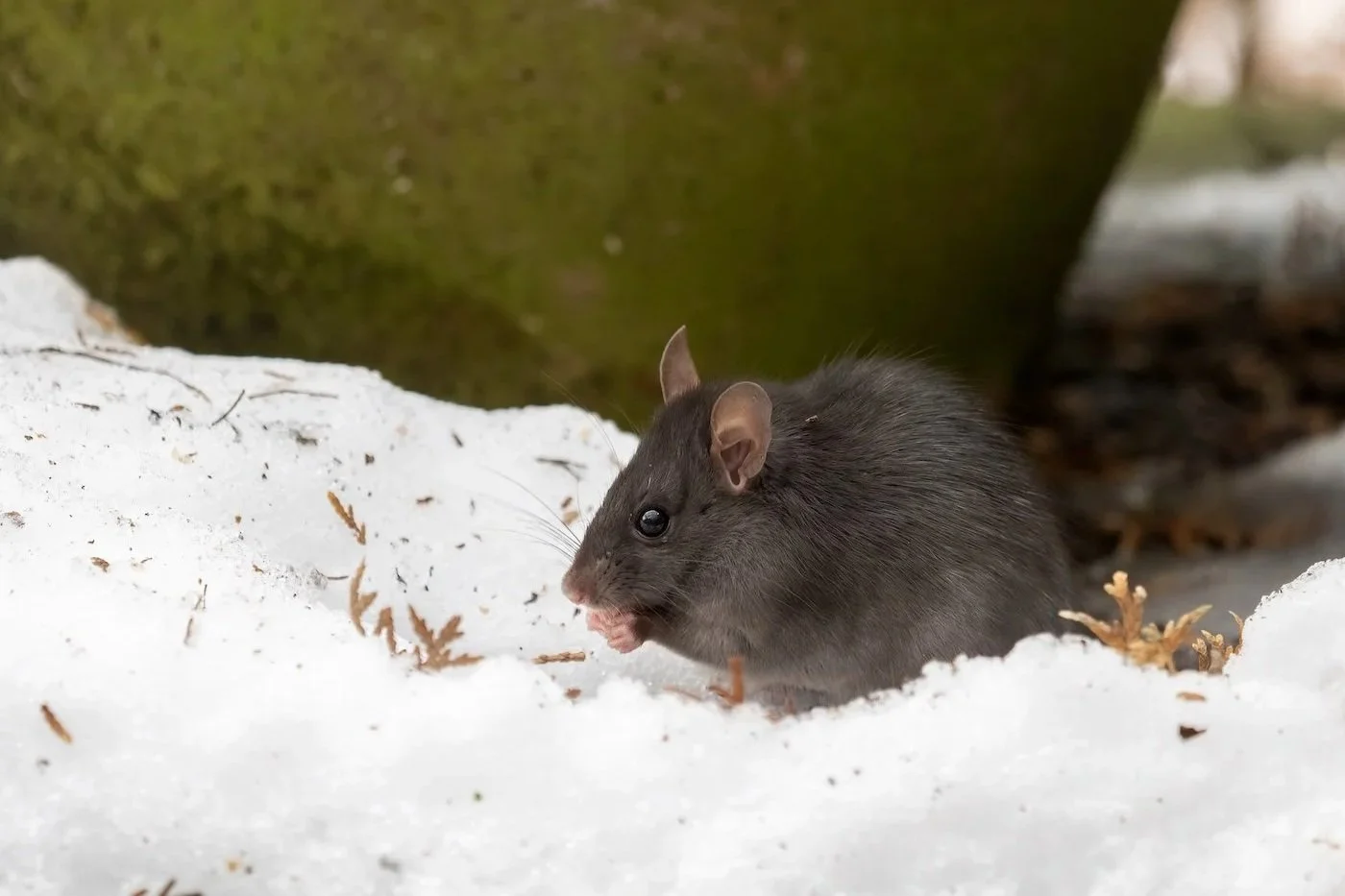
As winter arrives each year in North Carolina, the state experiences cooler temperatures which bugs and rodents find inhospitable. Because of this, many pests – including mice, rats, spiders, ants, and roaches – become more persistent about invading our homes during the winter months. Our homes offer a warm shelter from icy temperatures, as well as ready access to various types of food, which generally becomes scarcer in winter.
If you don’t want to share your home with pests this winter, it’s important to take measures to keep them outside. In this guide, you'll learn more about winter pest control in North Carolina, including how to keep pests from coming inside and what to do if you discover an infestation.
Key Takeaways of Winter Pest Control
During winter, pests often congregate in North Carolina homes to overwinter, which can result in springtime infestations as pests emerge and populations bloom.
Some of the top preventive winter pest control methods include sealing entry points, decluttering your home, fixing any leaks, and storing food in airtight containers.
Professional pest control in North Carolina is the best way to keep your home pest-free throughout the year. Winter is an ideal team for many preventative pest treatments.
5 Ways to Prevent Winter Pest Problems in NC
1. Seal Off Entry Points
Before the onset of winter, carefully inspect your home for any gaps or cracks near windows and doors, on the roof, around the foundation, and wherever pipes enter your home. Seal these entry points with caulk or weather stripping to prevent pests from entering. You may also need to apply fresh weather stripping to windows, exterior doors, and garage doors so small pests like ants and spiders cannot slip in.
2. Clear Your Yard of Hiding Places
If your yard becomes too habitable for pests, they’re more likely to move into your home. A good form of preventative winter pest control is to trim bushes and trees that brush up against your home, as overgrown vegetation can provide hiding spots and pathways for pests to enter. As an additional precaution, avoid storing firewood piles near the foundation of your home, since this offers a great place for rodents, spiders, and other pests to shelter.
3. Clean Gutters & Chimney
Clear fallen leaves and other debris from your gutters before the onset of winter. This will allow good drainage, preventing standing water from pooling and attracting thirsty pests. You may also want to consider installing mesh screens over your chimney and vent openings as an effective means of winter rodent and wildlife control.
4. Address Moisture Issues
Winter rain and snow in North Carolina often leads to leaks in crawl spaces and basements, which can attract pests to your home. To prevent pests such as mice and roaches from accumulating on your property, be diligent about fixing any leaks or other moisture issues in your home.
5. Maintain Indoor Cleanliness
Pests love hiding in cluttered spaces and are attracted to easy food sources, so maintaining indoor cleanliness during winter is crucial. Store food in airtight containers to prevent pests from being attracted to your kitchen. Declutter your home, especially storage areas like the basement and garage, to reduce hiding spots for pests. Regularly clean and vacuum your home, paying attention to areas where crumbs may accumulate or pests may lay their eggs.
Why Pest Control is Important in the Winter
Pest infestations in North Carolina are the most common during winter because colder temperatures make pests like mice, cockroaches, and spiders likely to seek the warmth shelter that your home provides. A home that experiences no pest issues during spring and summer may still become infested in winter.
Some pests may overwinter in your home before multiplying next spring, resulting in a larger infestation on your property. Winter pest control is important because it prevents small pest issues from escalating into big problems later on.
Pest infestations in North Carolina tend to be more concentrated during winter, as pests become more centralized and less mobile. Since many pests are easier to target in winter, rodent control, spider control, and other pest removal solutions become more effective than during warmer months.
Can you do pest control in the winter?
Yes, you can. In fact, it's one of the best times for professional pest control in North Carolina since many pest infestations are more common during winter and pests tend to be more centralized in homes.
What do pest control technicians do in the winter?
During winter, professional pest control technicians in North Carolina focus on preventative measures to keep insects and rodents out of local homes. Technicians will inspect homes for potential entry points and seal them off to prevent pests from getting inside. They'll also apply barrier treatments around your home exterior and use targeted interior treatments to remove pests that have gotten indoors.
What is the hardest pest to get rid of?
Of the pest species found in North Carolina, bed bugs and termites are among the hardest to exterminate since these pests hide well and resist many common treatments. Professional pest control will always be required for these insects. Cockroach control can also prove very difficult since roaches reproduce quickly and are challenging to exterminate for good.
What is an overwintering pest?
Overwintering pests are any insects or rodents that seek shelter in your home in order to survive the winter. These pests may be dormant during the winter months, but they'll emerge next spring, which may result in a serious infestation in your home.
When to Call Professionals for Pest Control in the Winter
Winter is the perfect time for pest control technicians to apply preventative measures that protect your home from pests year-round. Contact Sustainable Pest Systems today if you want high-quality pest and rodent control services for your North Carolina home!