
Bats in attic removal and exclusion
Bats in Attic Removal & Exclusion in Raleigh and the Triangle
Hearing soft chirping above an upstairs room, noticing an attic odor, or finding a bat inside your home?
Bats can occupy an attic without creating the heavy running or chewing noises associated with larger wildlife. Homeowners may hear brief fluttering near the roof, discover droppings along an attic wall, or notice bats leaving from one section of the house shortly after sunset. In some cases, the first clear warning is a bat appearing in a bedroom, hallway, or living area.
Sustainable Pest Systems helps homeowners in Raleigh, Cary, Apex, Chapel Hill, Holly Springs, Wake Forest, Zebulon, and nearby communities determine whether bats are roosting inside the attic. The goal is not simply to remove a bat that became visible, but to understand how the attic is being accessed and whether additional bats remain inside the structure.
What an Attic Bat Inspection Should Determine
Attic bat activity can be concentrated above a bedroom, bonus room, attached garage, porch, or vaulted ceiling even when the exterior opening is located elsewhere. Bats may enter through the roofline and travel through unfinished spaces before settling into a protected roosting area.
An inspection may include checking accessible attic areas for droppings, staining, odor, light gaps, roosting evidence, and movement paths near exterior walls. The outside of the home should also be reviewed for likely exits around vents, soffits, flashing, fascia boards, chimney joints, dormers, and construction seams.
Because squirrels, birds, rodents, and other wildlife can produce similar sounds, homeowners can also review our guide to identifying scratching or squeaking in the attic .
Attic bat evidence may include repeated dusk emergence, concentrated droppings, dark rub marks near an opening, faint chirping, fluttering, odor, or bats unexpectedly entering finished rooms.
Removing Bats Without Trapping Them in the Attic
Bat exclusion generally relies on one-way exits that allow bats to leave the attic while preventing them from returning through the same opening. Secondary gaps must also be addressed so the colony does not simply shift to another weak point along the roofline.
The timing of this work matters. If young bats are present and cannot yet fly, excluding the adults can leave the young behind inside the attic. Sustainable Pest Systems evaluates the activity, structure, and season before recommending when exclusion and final sealing should be completed.
After the bats have left, the attic may still require evaluation for droppings, odor, stained materials, or affected insulation. These concerns are considered separately from the exclusion itself so recommendations can reflect the actual condition of the space.
Homeowners looking for a broader overview of inspections, exterior access points, and regional service coverage can also visit our bat removal and exclusion services page.
Fill out some info and we will be in touch shortly!
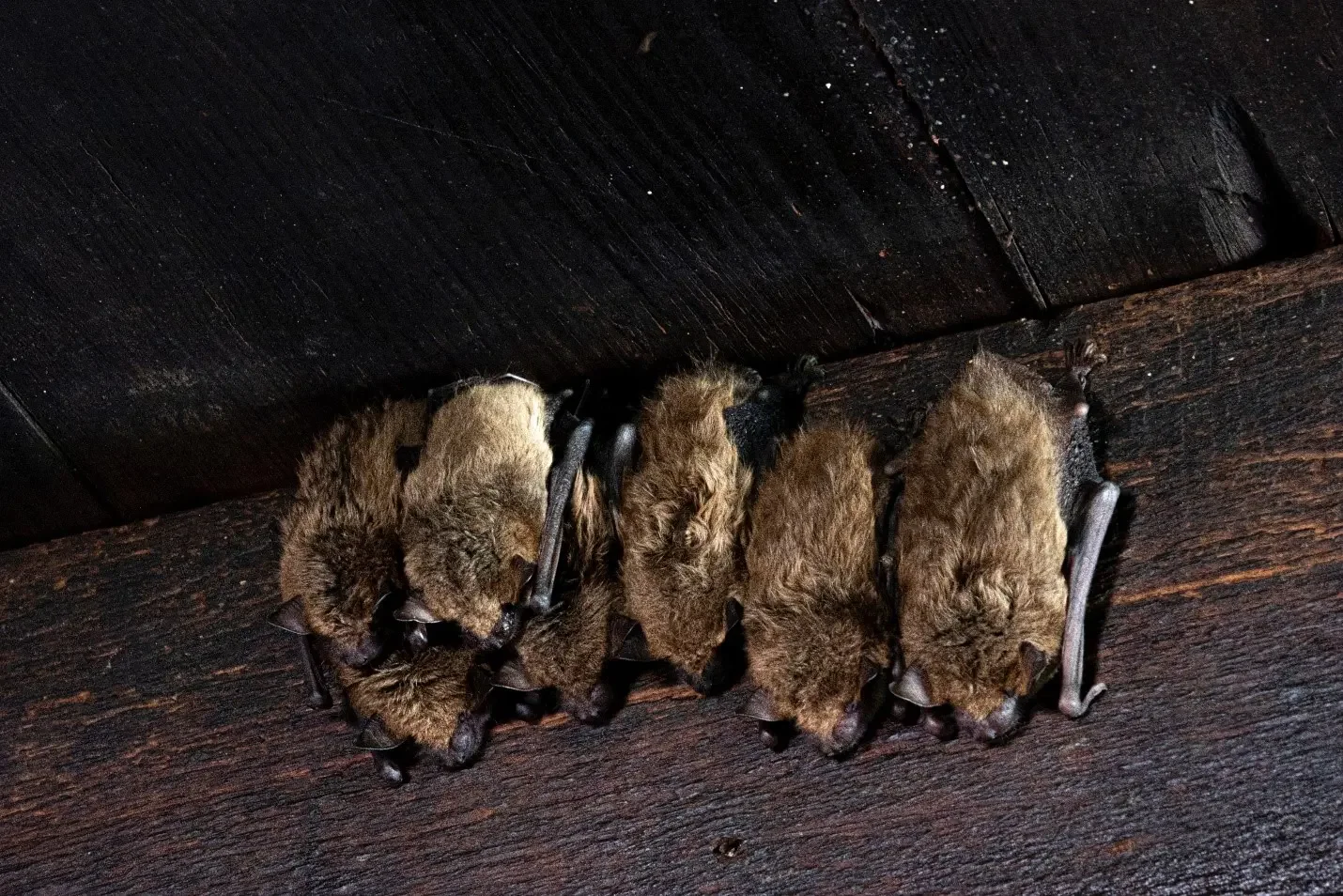
Signs Bats May Be Living Inside Your Attic
An attic bat problem may remain unnoticed until homeowners hear faint chirping, discover droppings near an attic wall, notice an unusual odor, or find a bat inside a bedroom or hallway. Unlike squirrels or raccoons, bats may occupy the space without producing heavy footsteps or obvious chewing.
Faint Chirping or Fluttering
Light sounds near the roof deck, an attic vent, chimney chase, or upper wall may be noticeable shortly before bats leave to feed in the evening.
Droppings in One Attic Area
Concentrated droppings below rafters, exterior walls, vents, or narrow roof gaps can indicate a regular roosting or travel location.
A Bat Inside the Home
An indoor bat may have moved from the attic through a wall gap, open chase, fireplace area, access hatch, or unfinished structural opening.
Not sure whether the sound is coming from bats, rodents, or another animal? Review our guide to identifying scratching and squeaking sounds in the attic .
Where Bats Can Settle Inside an Attic
Bats do not always remain directly beside the exterior opening. After entering the roofline, they may move into a protected section above a finished room, garage, porch, vaulted ceiling, dormer, or wall cavity.
- Narrow spaces between roof decking, rafters, and exterior wall framing
- Attic sections above bonus rooms, garages, porches, and additions
- Areas behind gable vents, louvers, dormers, or decorative trim
- Chimney chases and enclosed cavities that connect to the roofline
- Warm upper-attic areas with limited airflow and little disturbance
- Spaces near attic access doors, utility chases, or unfinished wall openings
- Roof intersections that create protected pockets behind framing
- Secluded areas above insulation where evidence is difficult to see
Why Removing One Indoor Bat May Not Solve the Attic Problem
Finding a bat inside a finished room does not necessarily explain how it entered the building. The visible bat may be an isolated visitor, but it may also indicate that bats are using the attic and have found a pathway into the occupied portion of the home.
The Exterior Gap May Remain
Removing the indoor bat does not correct a loose vent, soffit gap, flashing separation, or other roofline opening that may still allow access.
Additional Bats May Be Hidden
A colony can remain above the ceiling or inside another attic section even when only one bat has entered the living space.
The Interior Path Needs Attention
Gaps around attic hatches, utility penetrations, fireplaces, ductwork, or wall cavities may allow bats to move from unfinished areas into rooms.
For a wider overview of exterior inspections, regional coverage, and structural entry points, visit our bat removal and exclusion services page.
Our Bats-in-Attic Removal and Exclusion Process
Sustainable Pest Systems evaluates the attic and exterior together so the work addresses the roosting area, the active exit, nearby secondary gaps, and any pathway that may allow bats to enter finished rooms.
Document the Indoor Evidence
We review where sounds, droppings, odor, staining, or indoor bat sightings have occurred and when the activity is most noticeable.
Inspect Accessible Attic Areas
The attic may be checked for roosting evidence, concentrated droppings, light gaps, staining, travel routes, and openings into interior cavities.
Locate the Active Exterior Exit
Vents, soffits, fascia, flashing, chimneys, dormers, siding transitions, and roof intersections are reviewed for likely access.
Plan One-Way Exclusion and Sealing
Active exits and secondary gaps are addressed in the proper order so bats can leave before permanent closure and prevention work is completed.
Bat evidence can overlap with signs left by other animals. Sustainable Pest Systems also provides broader wildlife inspection and removal services .
Attic Conditions That May Remain After Exclusion
One-way exclusion stops continued bat access, but it does not automatically remove droppings, odor, staining, or affected insulation already present inside the attic.
- Concentrated droppings beneath a regular roosting location
- Odor that remains after active bat movement has stopped
- Staining on wood, insulation, vents, or nearby exterior materials
- Insulation affected by repeated activity or accumulated debris
- Interior gaps that allowed a bat to enter occupied rooms
- Secondary exterior openings that require final sealing or repair
- Attic materials that need closer evaluation before disturbance
- Previously active areas that should be monitored after completion
Droppings and affected attic materials should be evaluated carefully rather than swept or disturbed without first understanding the extent and location of the accumulation.
Animals That Can Be Confused With Attic Bats
The location of a noise alone cannot confirm which animal is present. The time of day, sound intensity, droppings, nesting material, exterior damage, and type of entry point help distinguish bats from other attic wildlife.
Birds Near Vents
Daytime chirping, flapping, and nesting material around louvers or exhaust openings may point to birds rather than an attic bat colony.
Squirrels Above Ceilings
Fast daytime movement, gnawing, and larger nesting debris may indicate squirrels. Learn more about squirrel removal .
Rodents or Raccoons
Small repetitive scratching may suggest mice or rats, while heavier movement and larger damage can indicate raccoon activity .
Bats in Attic Removal and Exclusion Questions
These answers address common concerns from homeowners who have heard bats above the ceiling, found attic evidence, or discovered a bat inside the living area.
Does one bat inside my home mean bats are living in the attic?
Not always, but an indoor bat can justify an attic and exterior inspection, especially when there are also droppings, odor, recurring sounds, or repeated dusk activity.
Where do bats usually hide inside an attic?
Bats may roost near rafters, roof decking, exterior walls, vents, dormers, chimney chases, attic additions, or protected gaps above finished rooms.
Can I seal the attic opening after the bats leave at night?
A visible exit should not be sealed without evaluating whether other bats remain inside, whether young bats may be present, and whether secondary openings exist.
How are bats removed from an attic?
Professional exclusion typically uses one-way exits that allow bats to leave while restricting reentry, followed by final sealing after activity has ended.
What happens to the droppings after the bats are excluded?
The attic can be evaluated for the location and amount of droppings, odor, staining, and affected insulation so any additional recommendations reflect the actual condition.
Phone
(919) 886-7378
Hours
Monday–Friday
8am-5pm
Locations
3021 Stony Brook Dr. Raleigh NC 27604